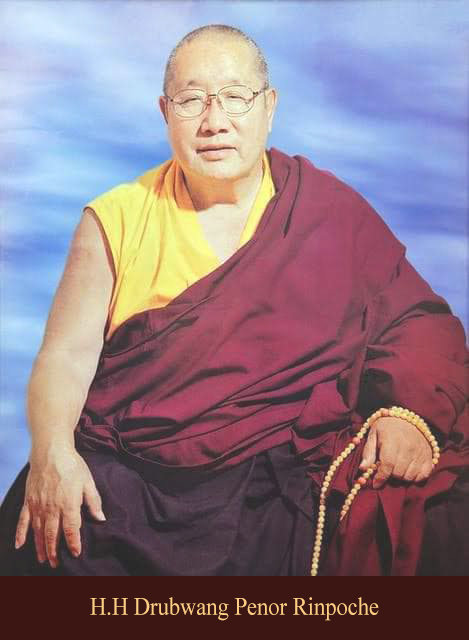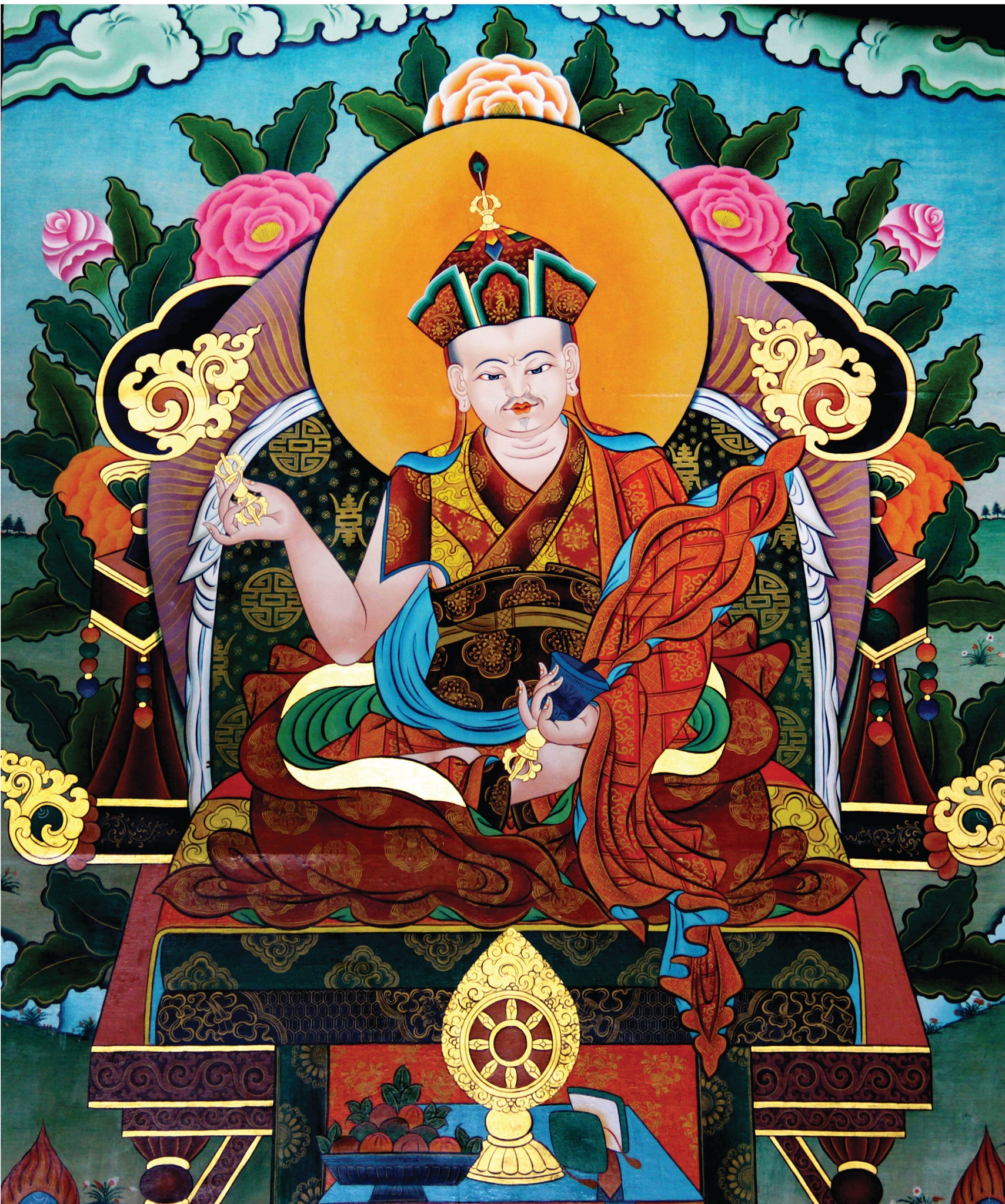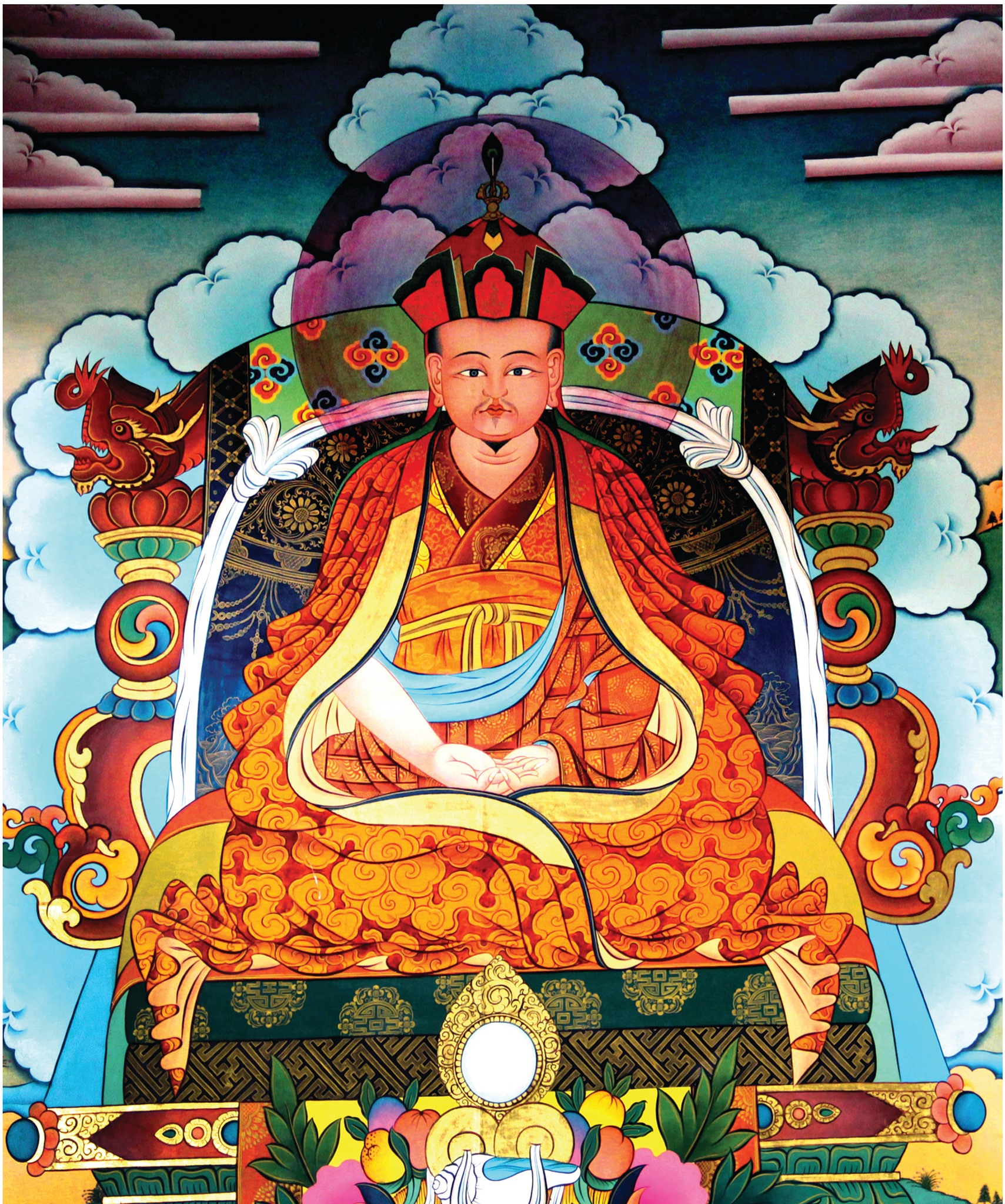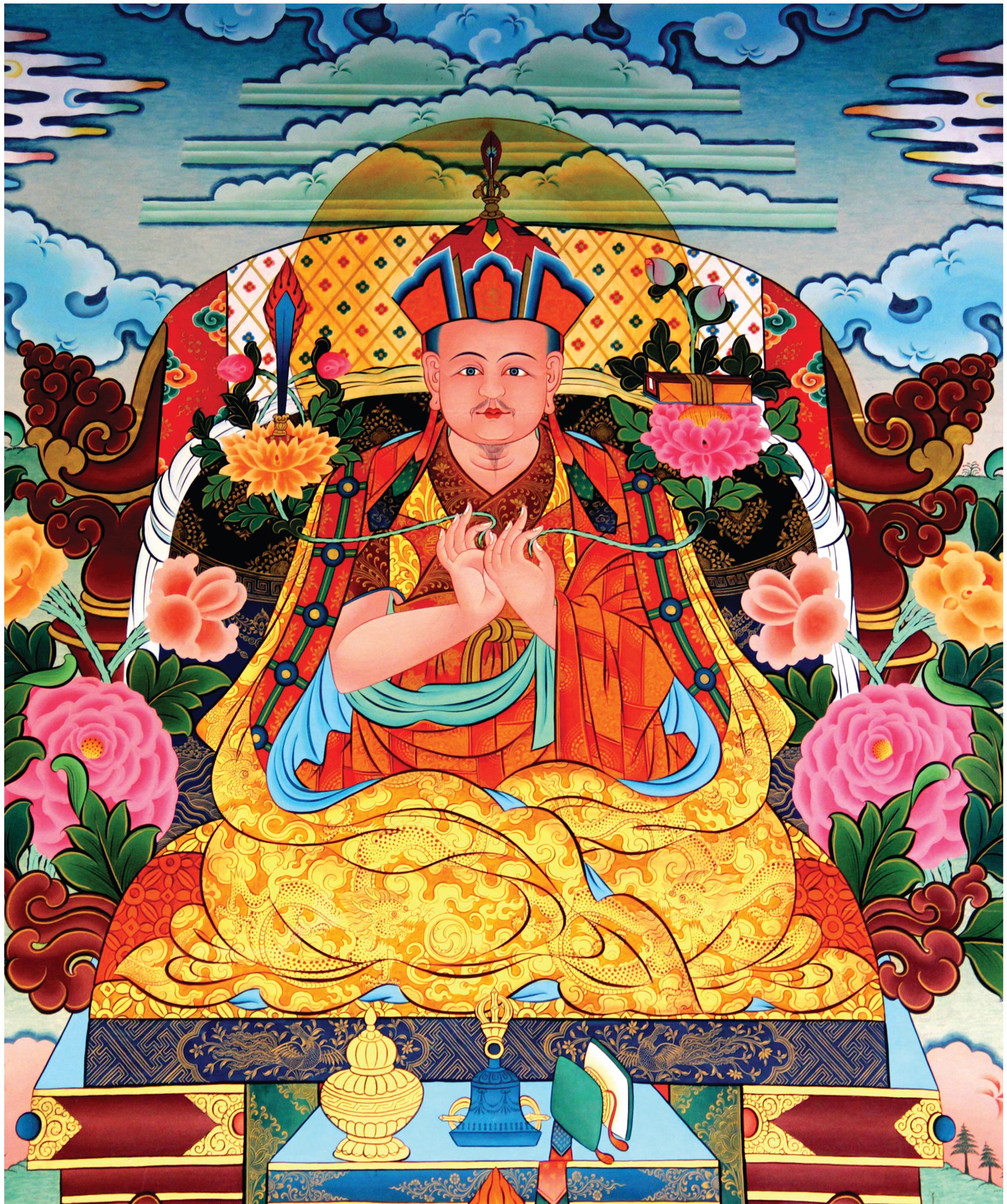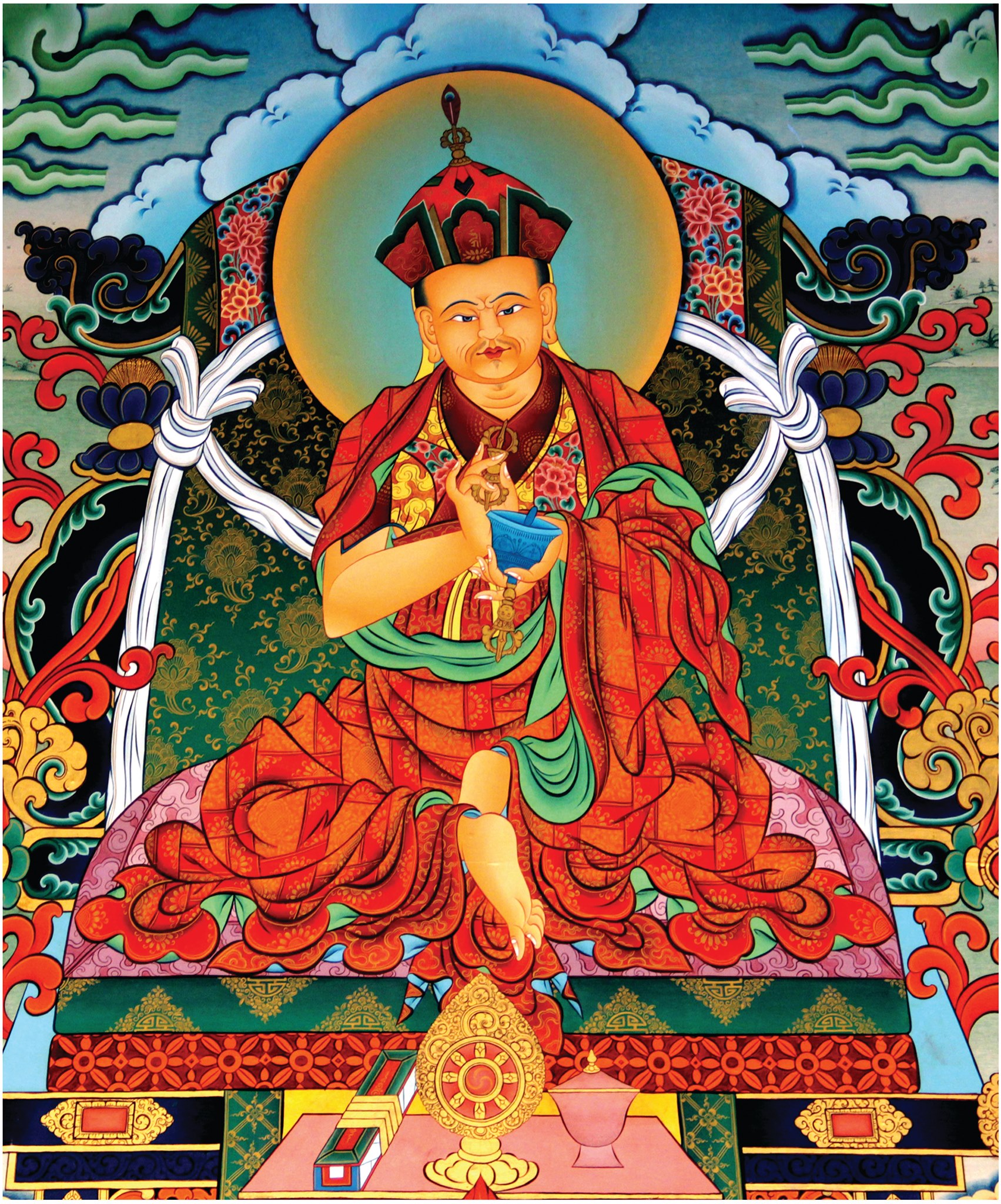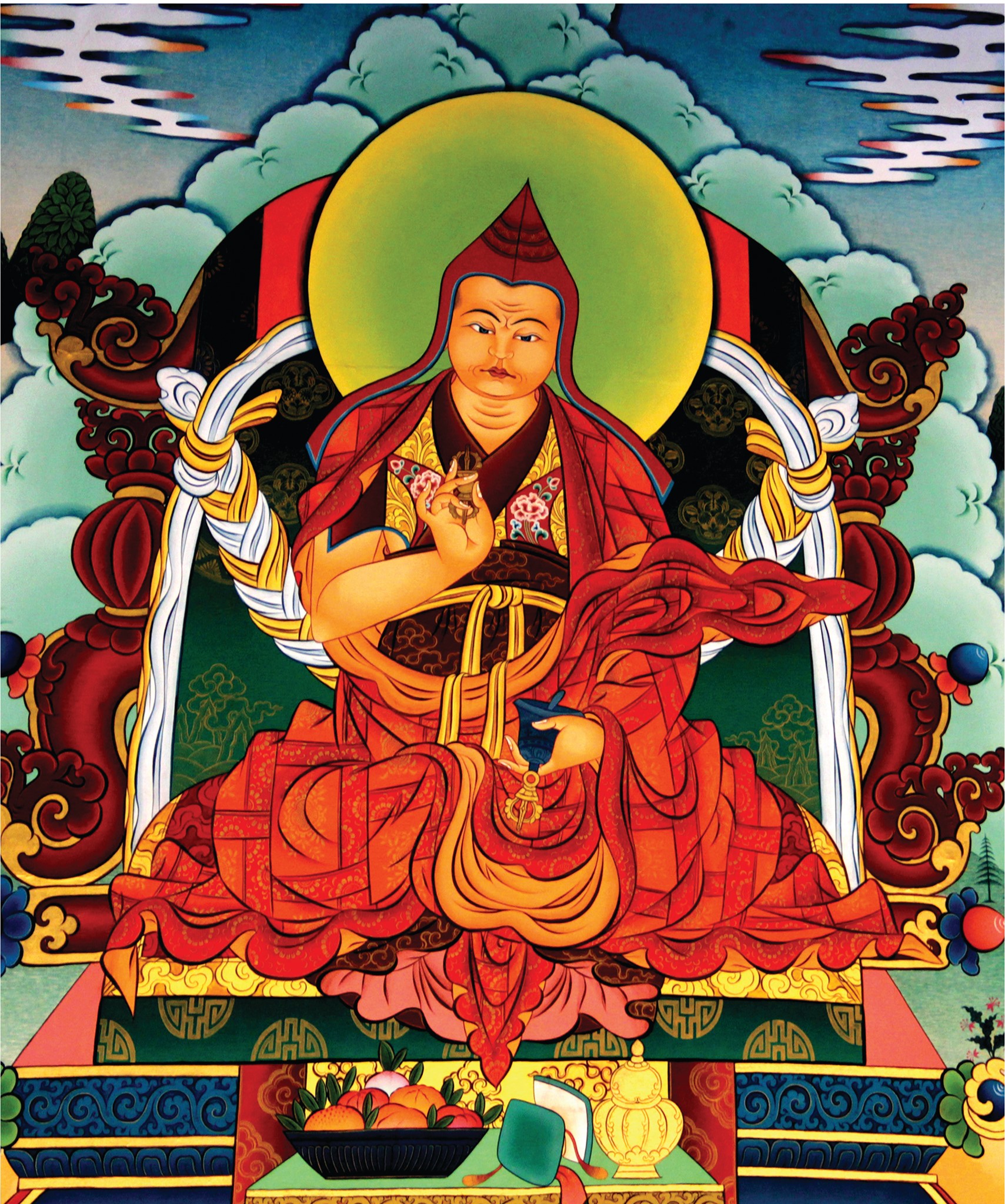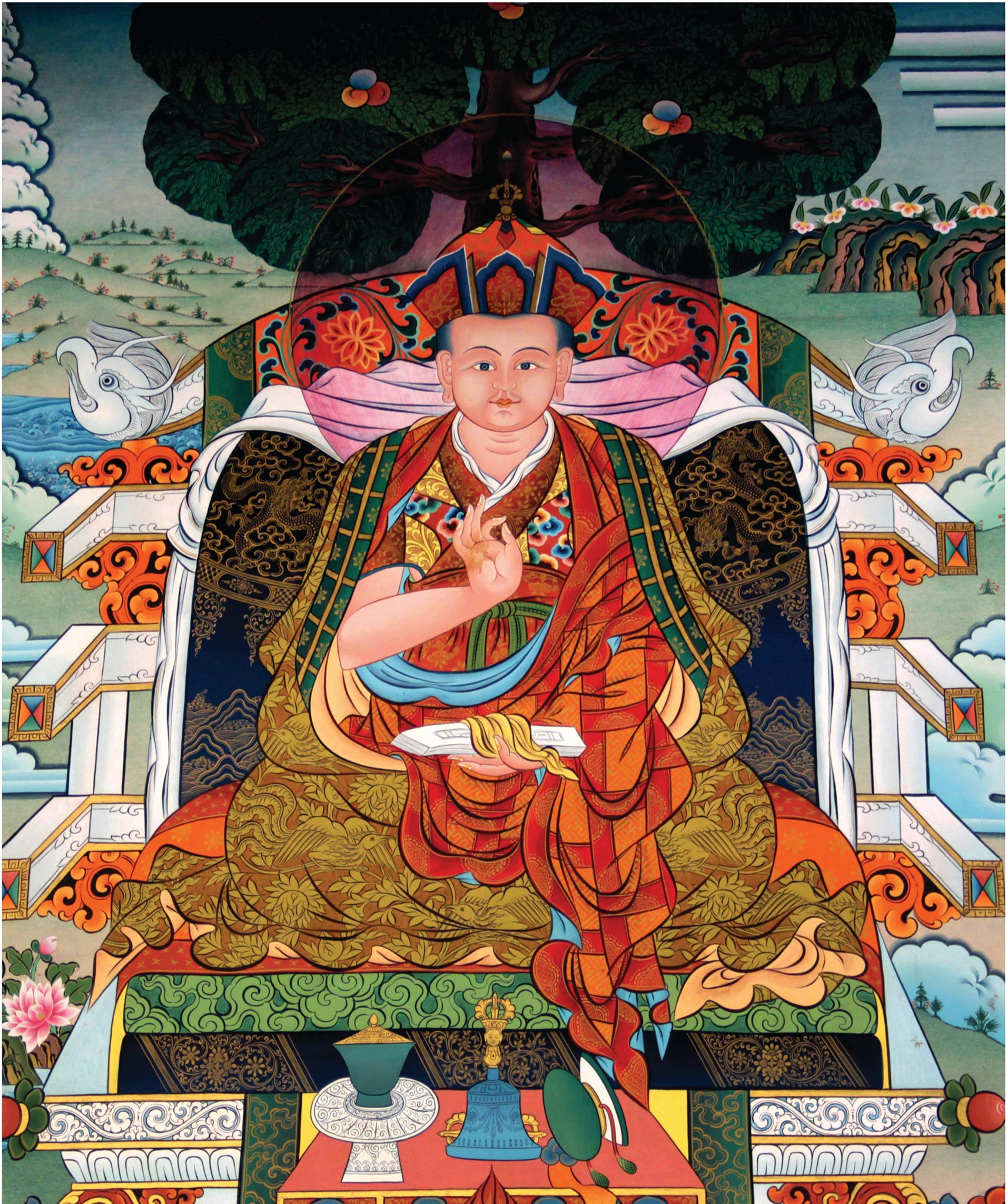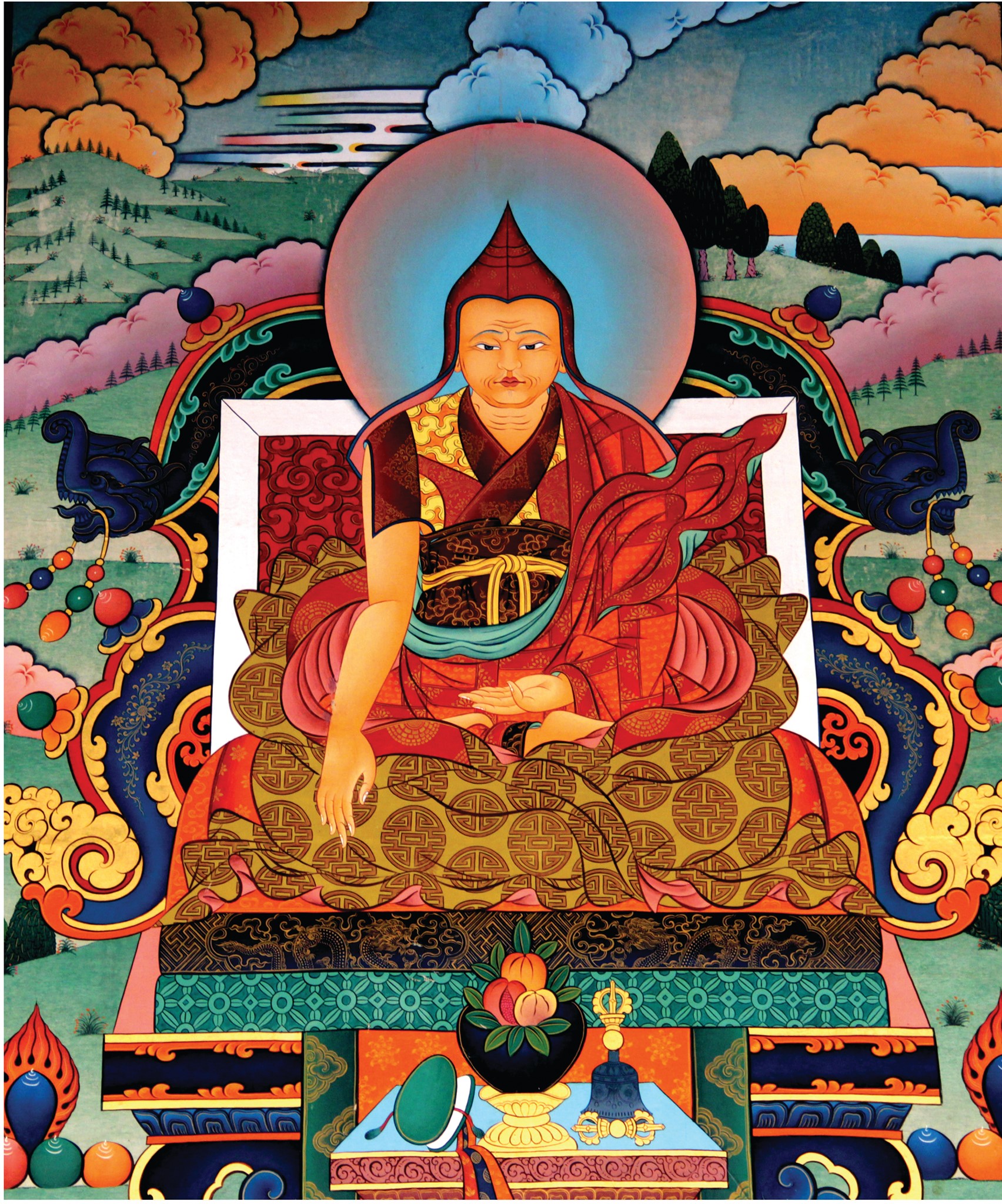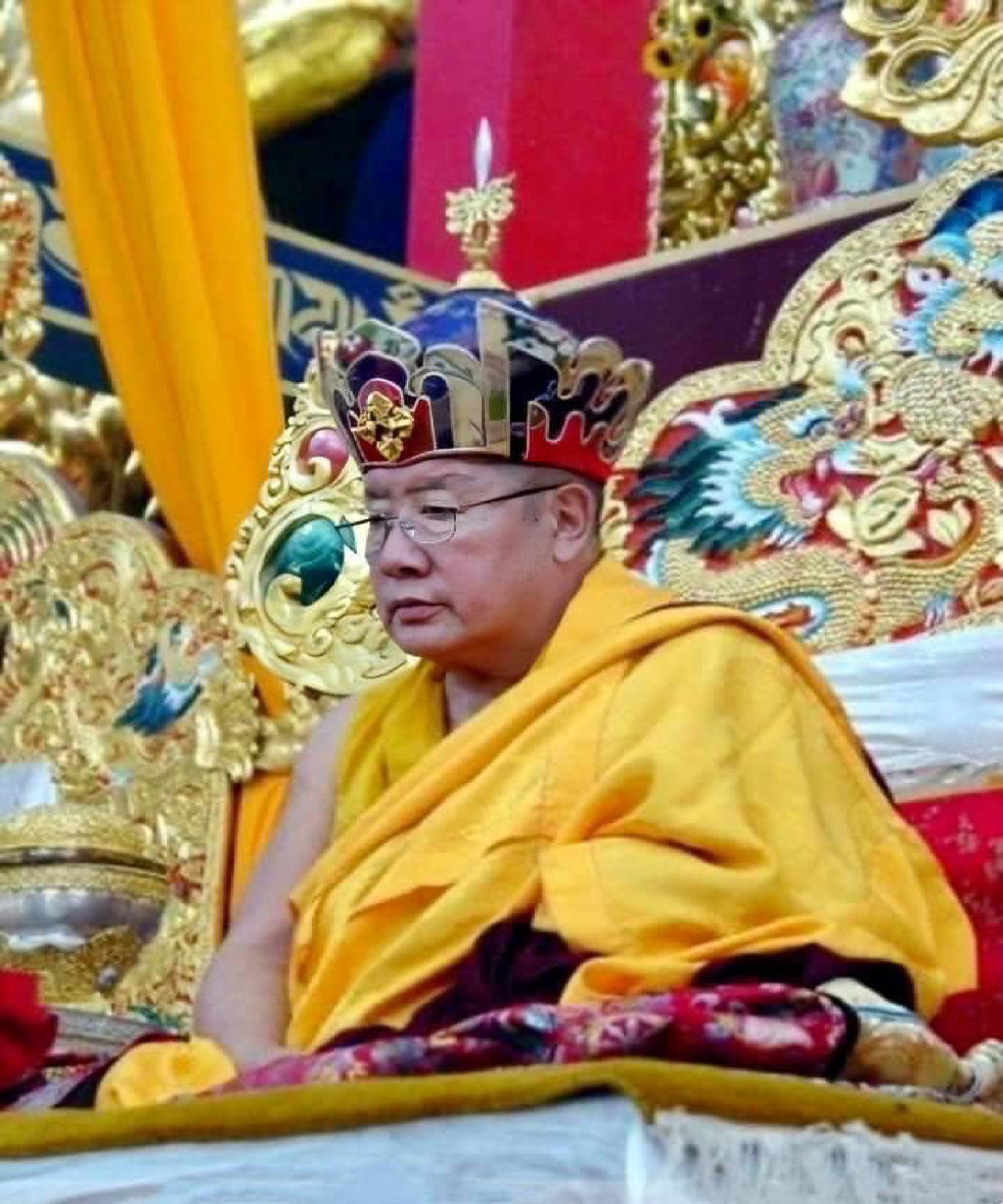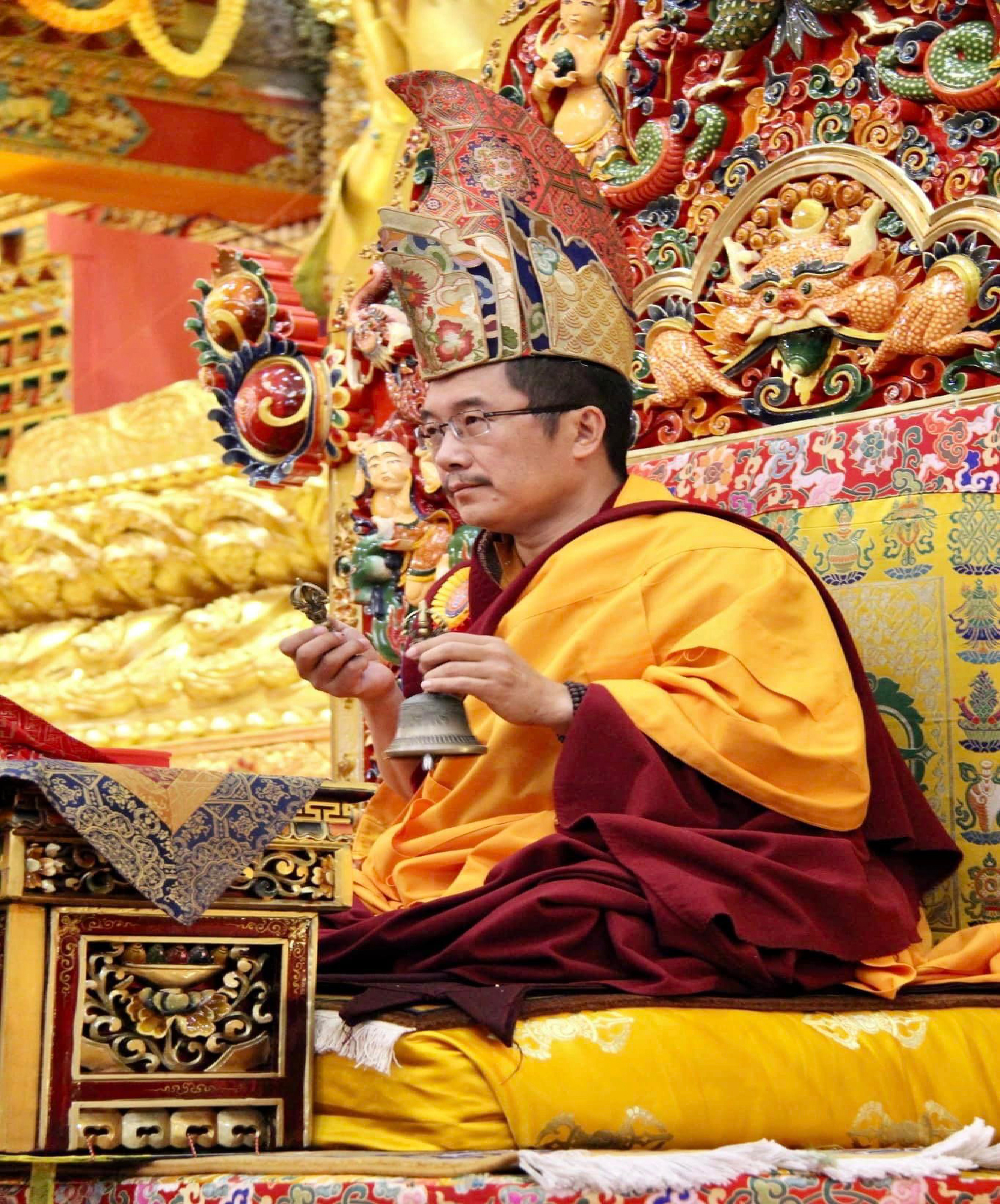

Penor Rinpoche, born in 1932 in eastern Tibet, was one of the most revered Tibetan Buddhist masters of the Nyingma tradition. His birth name was Pema Norbu, and he hailed from the region of Kham, an area known for its rich spiritual heritage. Recognized from an early age as the reincarnation of the previous Penor Rinpoche, a highly esteemed lama, he was destined for a life of profound spiritual significance.From the age of four, Penor Rinpoche began his monastic education at the prestigious Dzogchen Monastery, where he immersed himself in the teachings of the Nyingma school.
His teachers included some of the greatest masters of the time, such as Khenpo Ngawang Palzang and Tulku Pema Rigdzin. Under their guidance, he developed a deep understanding of Tibetan Buddhist philosophy, rituals, and practices, alongside an unwavering commitment to the path of compassion and wisdom.In 1959, with the Chinese invasion of Tibet, Penor Rinpoche faced immense challenges. The political upheaval forced him to flee his homeland, ultimately leading him to India. Settling in the southern Indian state of Karnataka, he became a pivotal figure in the preservation and transmission of Tibetan Buddhism. In 1961, he established the Namdroling Monastery, which grew into one of the largest Tibetan Buddhist monasteries in the world. This institution became a center for education and practice, attracting thousands of monks and lay practitioners.Penor Rinpoche was not only a brilliant scholar but also a compassionate leader. He emphasized the importance of preserving the Tibetan culture and spiritual teachings, dedicating his life to the training of new generations of monks. His commitment to education led to the establishment of a comprehensive curriculum that included philosophy, ritual practice, and meditation, ensuring the continuity of Tibetan Buddhist traditions in exile.Throughout his life, Penor Rinpoche traveled extensively, spreading the teachings of the Buddha and engaging with practitioners around the world. His teachings emphasized the importance of compassion, mindfulness, and the interdependence of all beings. He was known for his warm-hearted demeanor, often expressing profound insights with simplicity and clarity.
His ability to connect with people from diverse backgrounds made him a beloved figure, transcending cultural and geographical boundaries.In 1993, Penor Rinpoche received the title of "Sangye Khandro," acknowledging his realization and accomplishments. This recognition further solidified his status as a living treasure of wisdom and compassion within the Tibetan Buddhist community. His teachings were marked by a deep understanding of the nature of reality and an unwavering commitment to alleviating suffering.Penor Rinpoche passed away on March 27, 2009, leaving behind a rich legacy that continues to inspire countless individuals. His contributions to the Nyingma tradition and Tibetan Buddhism as a whole are immeasurable.
Today, Namdroling Monastery stands as a testament to his vision, embodying the principles of compassion, wisdom, and community he championed throughout his life.His teachings and the principles he instilled in his students remain alive, guiding practitioners on their spiritual journeys. Penor Rinpoche's life is a profound reminder of the power of compassion and the importance of preserving the spiritual heritage of Tibet, ensuring that future generations can benefit from the timeless wisdom of the Buddha.